Posted in

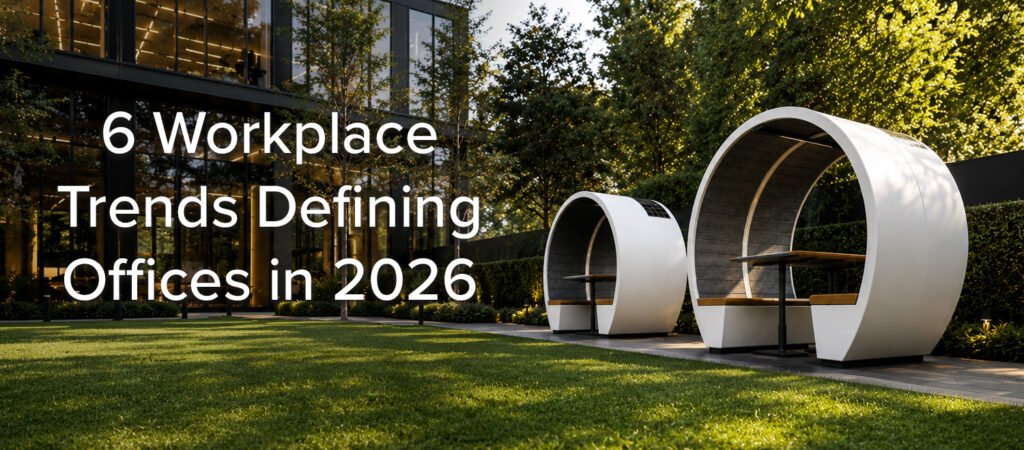
6 Workplace Trends Defining Offices in 2026

6 Workplace Trends of 2026 - Header
Posted in

The workplace has changed dramatically over the past few years — and in 2026, office design continues to evolve at pace.

As businesses adapt to hybrid working, changing employee expectations and a greater focus on wellbeing, the modern office is becoming more intentional, flexible and experience-led than ever before.

At the same time, technology is reshaping how teams operate. AI is no longer viewed simply as a tool — it is increasingly becoming part of the workplace ecosystem, supporting employees with collaboration, productivity and decision-making throughout the working day.

From acoustic privacy to AI-enabled workspaces, here are six workplace trends shaping the future of office design in 2026.

1. Quiet Spaces are Becoming Essential

Open-plan offices transformed the way businesses work, encouraging collaboration and communication across teams. But as workplaces have become busier and more connected, one challenge has become increasingly clear: noise and distraction.

In 2026, businesses are prioritising quieter, more focused environments within the workplace. 

Employees now expect access to spaces where they can:

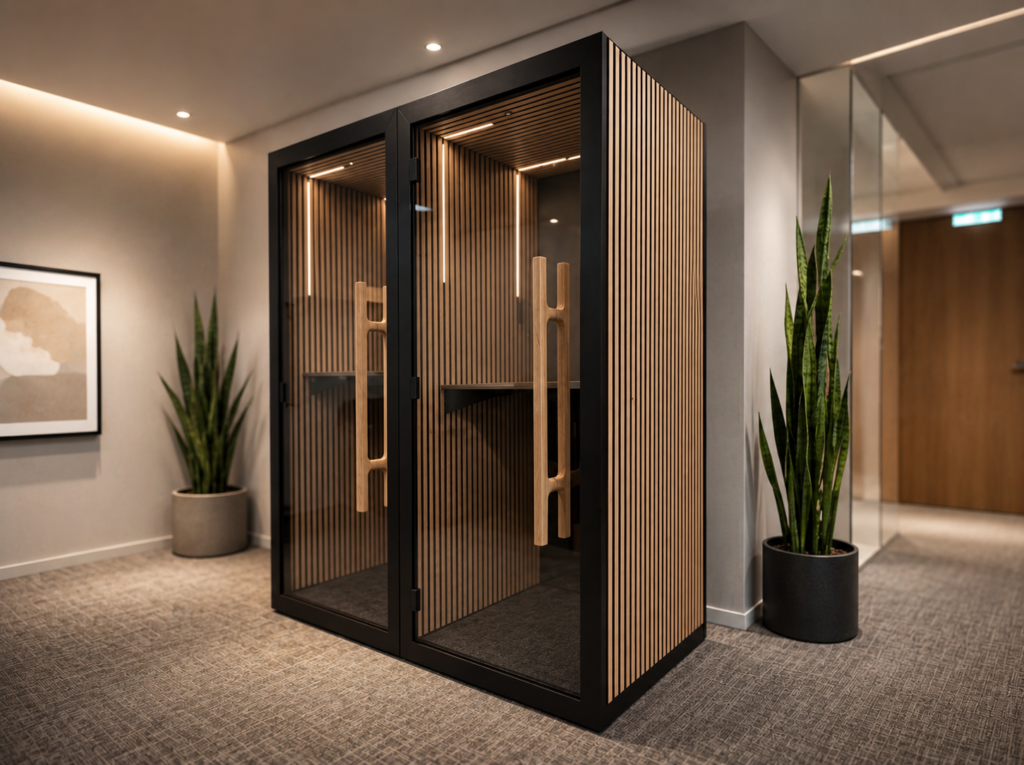
6 Workplace Trends for 2026 - img 2
  • Take video calls privately
  • Focus without interruption
  • Hold confidential conversations
  • Work comfortably away from distractions


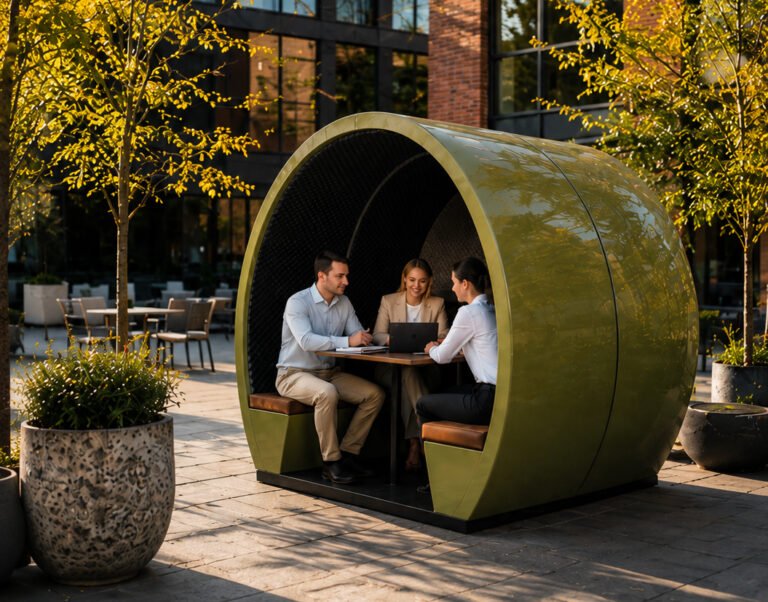
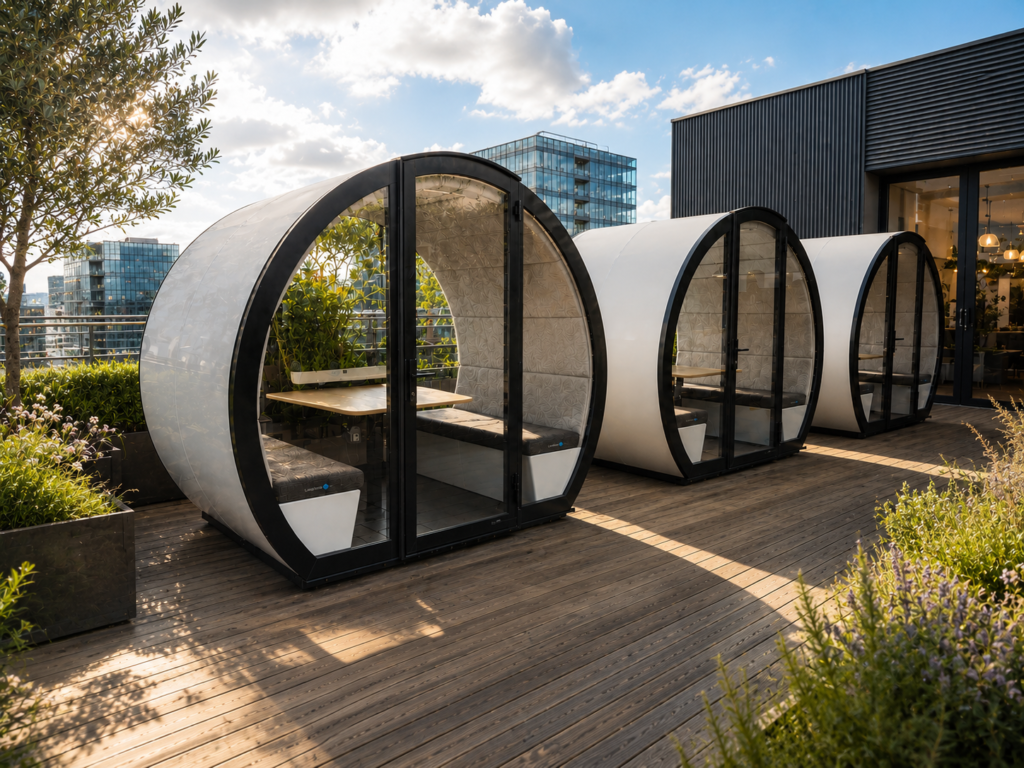
As a result, acoustic meeting pods, phone booths and flexible quiet spaces are becoming a core part of modern office design — helping businesses strike a better balance between collaboration and concentration.

2. Smaller Offices. Smarter Layouts.

The role of the office has fundamentally changed.

Rather than rows of fixed desks and oversized meeting rooms sitting empty for most of the day, businesses are now designing workplaces that are more adaptable and efficient.

In 2026, we are seeing a shift towards:

  • Flexible workspaces
  • Modular layouts
  • Multi-functional meeting areas
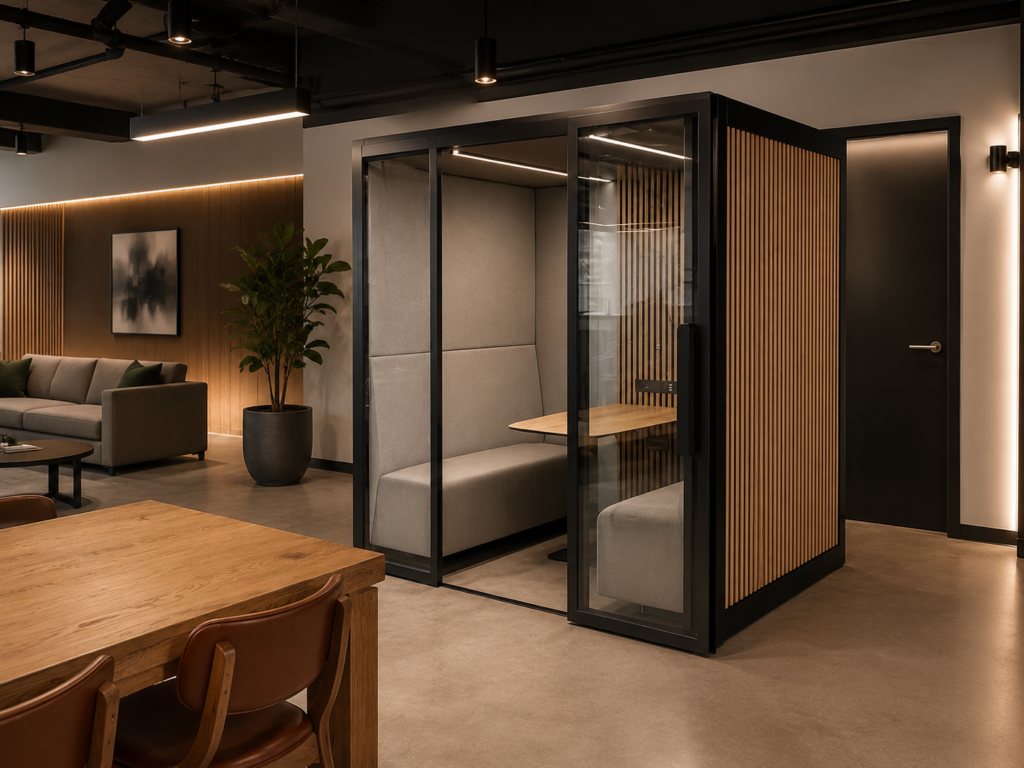
  • Space-saving acoustic pods
  • Agile workplace design

The focus is no longer simply about maximising capacity — it’s about maximising functionality.

Businesses are looking for smarter ways to use office space while still creating environments that feel comfortable, collaborative and productive.

3. AI is Becoming Part of the Team

Artificial intelligence is rapidly becoming embedded into everyday working life.

In many organisations, AI is no longer viewed as a separate technology platform — it is increasingly acting as a workplace teammate, supporting employees across communication, scheduling, research, administration and creative tasks.

This shift is influencing how offices are designed and used. Businesses are creating environments that better support human and digital collaboration, including:

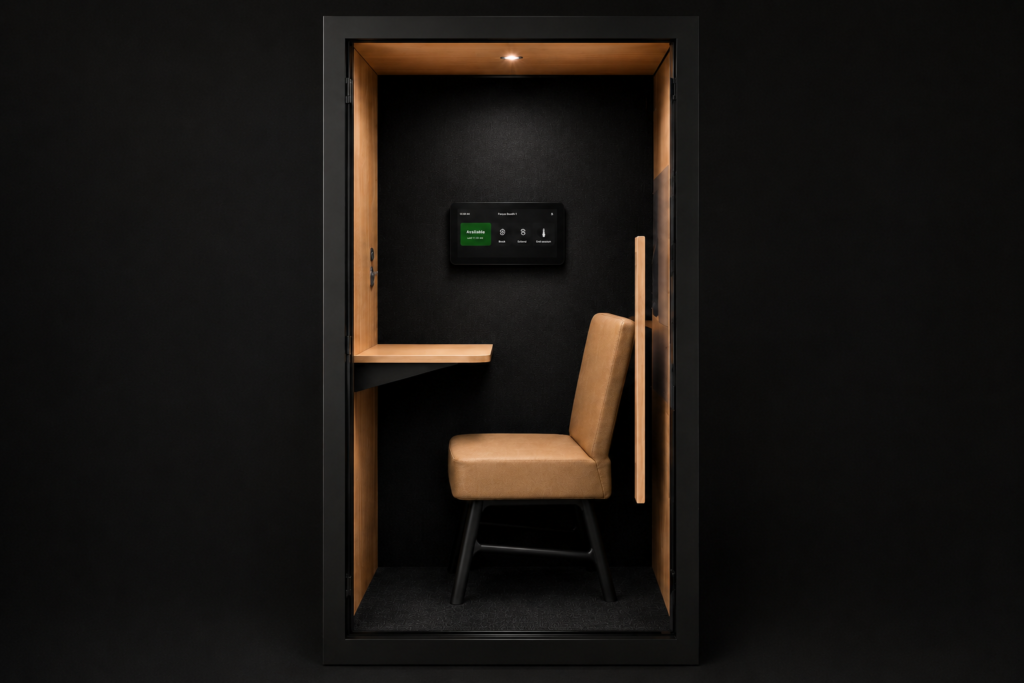
  • Tech-enabled meeting spaces
  • Smarter hybrid collaboration tools
  • AI-assisted scheduling and workflow systems
  • Flexible spaces for focused digital work
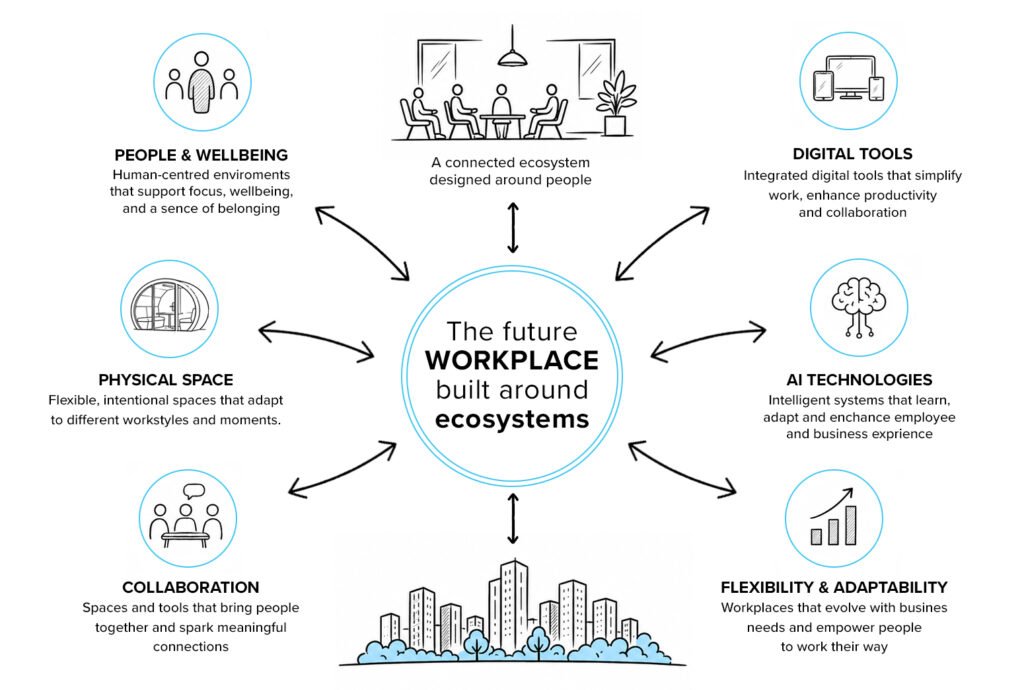
  • Integrated workplace technology ecosystems

As AI becomes more integrated into daily operations, offices are evolving into connected ecosystems where people, technology and space work together more seamlessly.

Rather than replacing human interaction, the most successful workplaces are using AI to remove friction, improve productivity and allow employees to focus on higher-value collaboration and creativity.

4. Offices are Becoming More Hospitality-Led

Modern employees expect more from the workplace than ever before.

The office is no longer just somewhere to sit and work — it has become a destination for collaboration, creativity and connection.

As a result, many businesses are taking inspiration from hospitality design to create warmer, more welcoming workplaces. In 2026, office interiors are becoming:

  • Softer and more residential in feel
  • More focused on comfort and wellbeing
  • Designed around experience and atmosphere
  • Better lit and acoustically balanced
  • More visually inspiring

From lounge-inspired breakout areas to premium meeting spaces, the most successful workplaces are creating environments people genuinely want to spend time in.

5. Outdoor Workspaces Continue to Grow

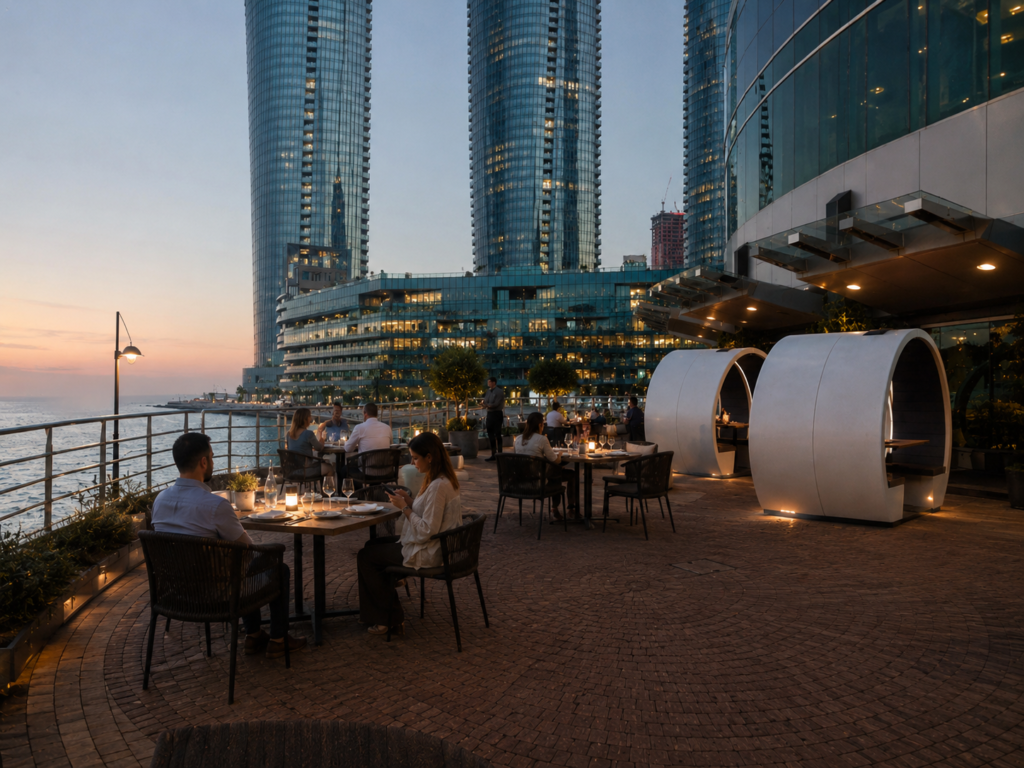
The demand for outdoor workspaces continues to rise in 2026 as businesses place greater emphasis on employee wellbeing and flexibility.

Fresh air, natural light and access to outdoor environments are increasingly recognised as important factors in both productivity and mental wellbeing.

From rooftop terraces to hospitality venues and office courtyards, outdoor workspaces are being used to:

  • Encourage collaboration
  • Create quieter work environments
  • Improve workplace wellbeing
  • Offer more flexible meeting spaces
  • Provide employees with a change of environment

As workplace expectations continue to evolve, businesses are recognising that work no longer needs to happen exclusively indoors.

6. Sustainability is Driving Design Decisions

Sustainability is no longer viewed as a secondary consideration in workplace design — it is becoming a central part of how businesses invest in their offices.

In 2026, companies are increasingly prioritising products and spaces designed around:

  • Longevity
  • Adaptability
  • Reduced waste
  • Responsible manufacturing
  • High-quality materials

Rather than investing in short-term solutions, businesses are focusing on workplace products that are built to last and capable of adapting as office needs evolve over time.

This shift towards more sustainable workplace design reflects a broader change in how organisations view the office — not simply as a space to fill, but as a long-term investment in both people and performance.

Eco System Infographic

Join the conversation