
Mike Dalloz joins Greg Foot on BBC Radio 4’s The Dough Show
Back in mid-March, our co-founder Mike Dalloz joined Greg Foot on The Dough Show on BBC Radio 4 to discuss how the workspace has evolved since COVID – and what the future might hold.
Alongside a range of industry experts, the conversation explored one big question: after years of remote work, what does the “new normal” actually look like?
The return to in-person working
Since 2024, there’s been a noticeable shift back towards in-person working. Many organisations are now encouraging employees to spend at least three days a week in the office, signalling a move away from fully remote and even hybrid models.
But this return hasn’t been without its challenges.
Employees who are commuting again – often at a personal cost – are increasingly expecting more from their workplace. The office is no longer just a place to sit at a desk; it needs to offer a better overall experience. That means environments that are not only functional, but comfortable, inspiring, and genuinely worth the journey.
Rethinking the modern workspace
As expectations evolve, so must the design of the workplace.
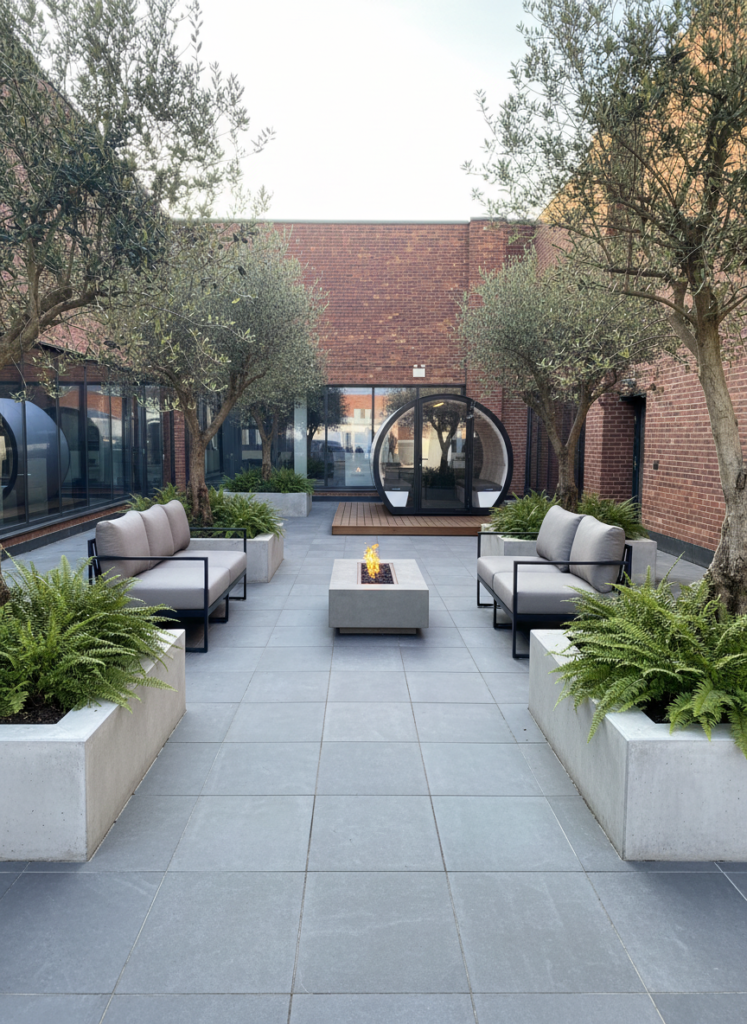
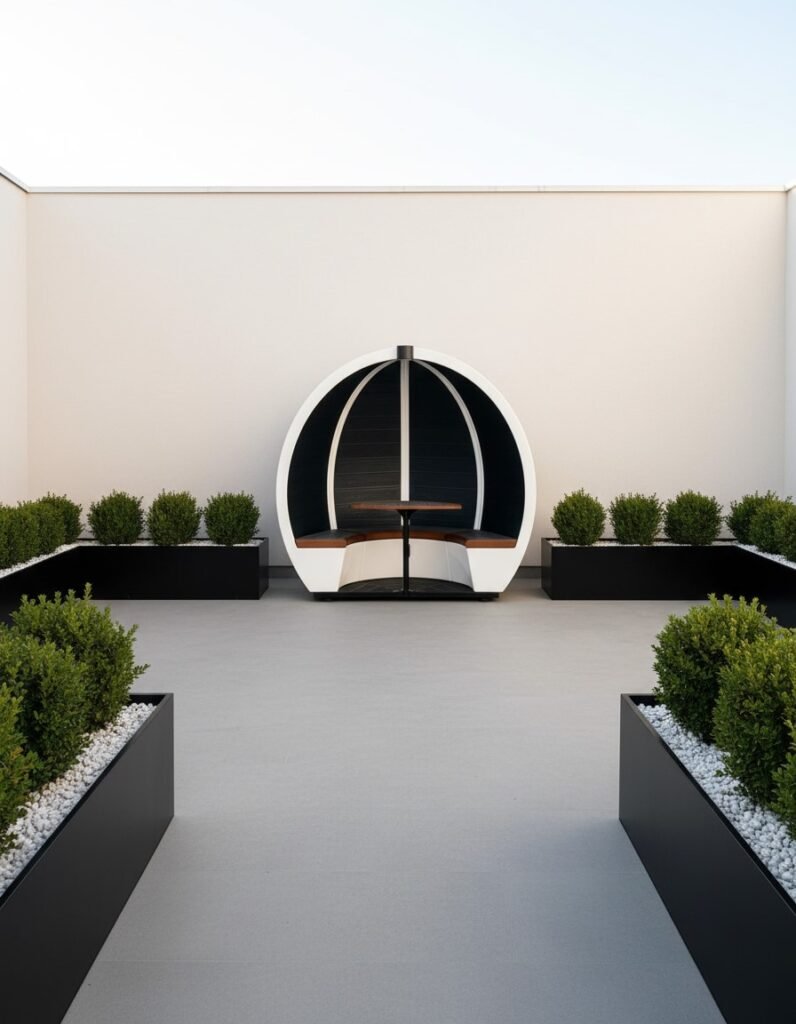
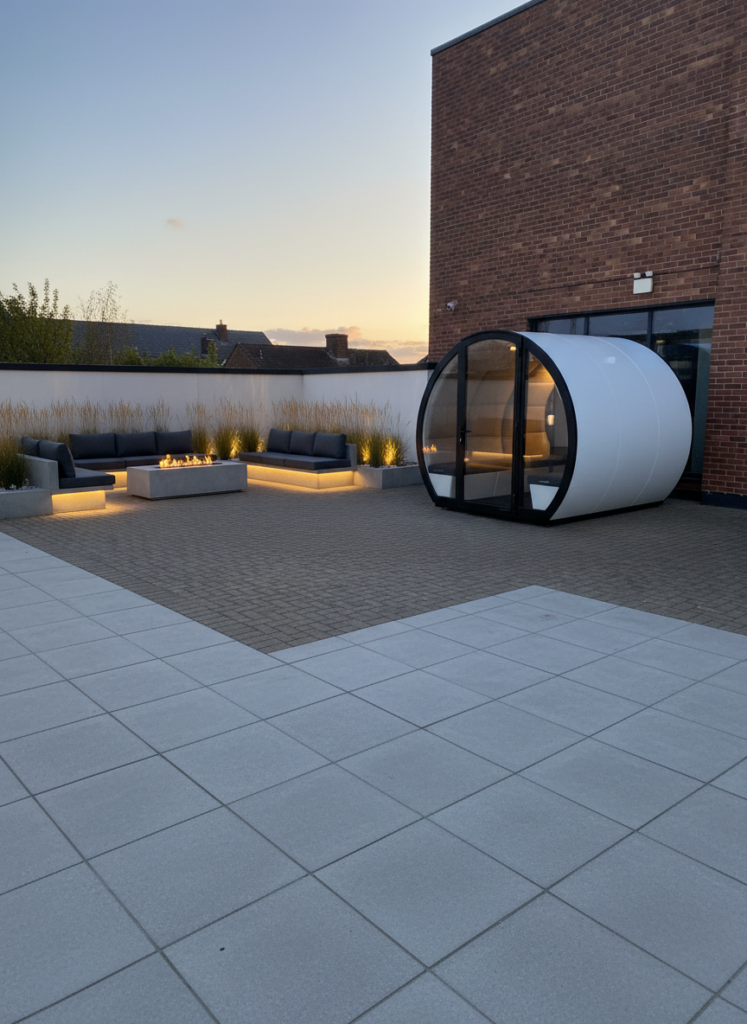
During the discussion, Mike reflected on the heritage of The Meeting Pod Company and how the business adapted during the pandemic—transforming indoor meeting pods into outdoor solutions almost overnight. This shift was driven by a growing need for safer, more flexible working environments, as well as the continued demand for privacy and acoustic control in increasingly busy spaces.
Today, those same principles still apply. Open-plan offices, while great for collaboration, often lack the quiet spaces needed for focused work or confidential conversations. Acoustic solutions, like meeting pods, are becoming an essential part of the modern office – not just a “nice to have.”
Why in-person still matters
While remote work has its advantages, the conversation highlighted that in-person working still plays a crucial role.
Being physically present enables clearer communication, stronger team relationships, and more natural collaboration. Ideas can be shared and developed more quickly, and decisions can be made without the delays that often come with digital communication.
There’s also the human element—those spontaneous conversations and moments of connection that are difficult to replicate remotely, yet vital for building culture and trust within teams.
What comes next?
Looking ahead, many industry experts believe we’re on the cusp of another shift in how offices are designed and used.
Traditional office furniture and static layouts may soon give way to more dynamic, adaptable environments. Technology – particularly AI – is expected to play a bigger role, from smarter meeting room bookings to better utilisation of space based on real-time data.
The workplace of the future won’t be defined by rows of desks, but by how effectively it supports different ways of working – whether that’s collaboration, deep focus, or informal interaction.
Why not have a listen for yourself 👉 click here to listen to the full episode.